Wild Horse & Burro Guide: California
California is home to a wide range of wild horse and burro country, from sagebrush basins and lava rock plateaus in the north to steep desert ranges in the south. This guide is meant to give you a visitor-friendly overview of those places, along with a quick look at Forest Service territories like Devil’s Garden and McGavin Peak that are woven into the Fading Hoofbeats story. It’s a starting point, not an official map—always check current BLM or Forest Service information before you travel. This California wild horse & burro guide is a visitor-friendly starting point.
Conditions in wild horse and burro country can change quickly. Roads, weather, fire restrictions, and herd management plans are all things to double-check before you go.
California Wild Horse & Burro Country at a Glance
Here’s a quick look at how California’s wild horse and burro country is laid out before you dive into the individual areas.H
HMAs and Herds
- Multiple wild horse and burro Herd Management Areas managed by BLM California
- Additional wild horse territories managed by the U.S. Forest Service, including places like Devil’s Garden and McGavin Peak
- Most of these areas are remote, with a mix of high desert, sagebrush country, and true desert terrain
Landscape & Visiting Feel
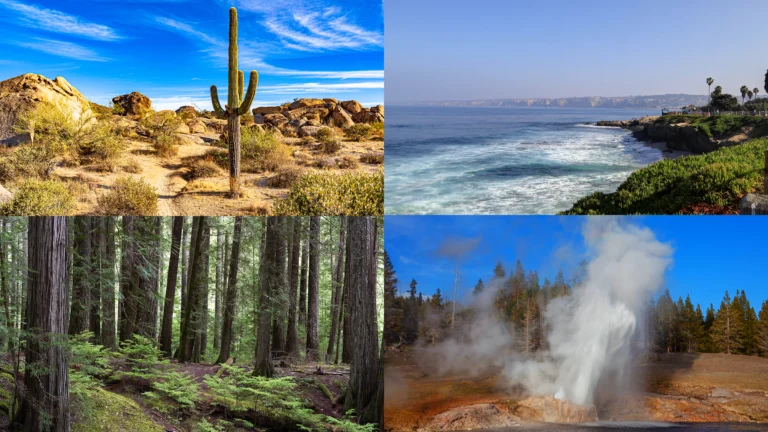
California’s wild horse and burro country is not one thing. In the north, areas like Twin Peaks and Coppersmith span high desert basins and rimrock plateaus. Farther south, places like Chemehuevi and the Chocolate Mule Mountains are true desert, with rocky washes, sparse shrubs, and big temperature swings. Access can be as simple as a well-graded gravel road or as challenging as a rutted two-track where high clearance and dry weather are essential.
Best For Visitors Who…
- Want big, open views and quiet back roads rather than busy, developed recreation areas
- Are comfortable planning ahead for fuel, weather, and gaps in cell service
- Enjoy watching horses and burros from a respectful distance and doing low-impact family outings like scenic drives, roadside viewing, and short walks
Where the California HMAs Are
Seeing the big picture helps. The official California Herd Management Areas map shows where the HMAs sit in relation to towns, highways, and other public lands. It’s a helpful planning tool before you start looking at individual areas more closely.
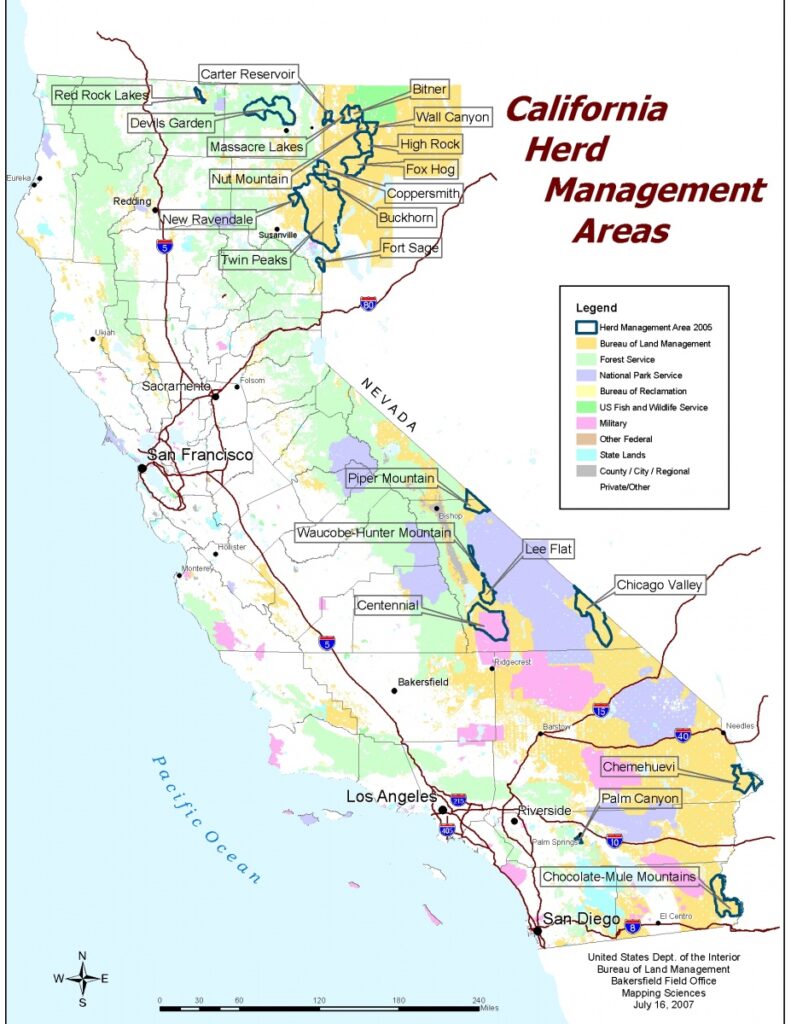
For the most current version of this map and links to each area, visit the BLM California Herd Management Areas page.
Twin Peaks HMA – High Desert Basins and Rimrock Ridge
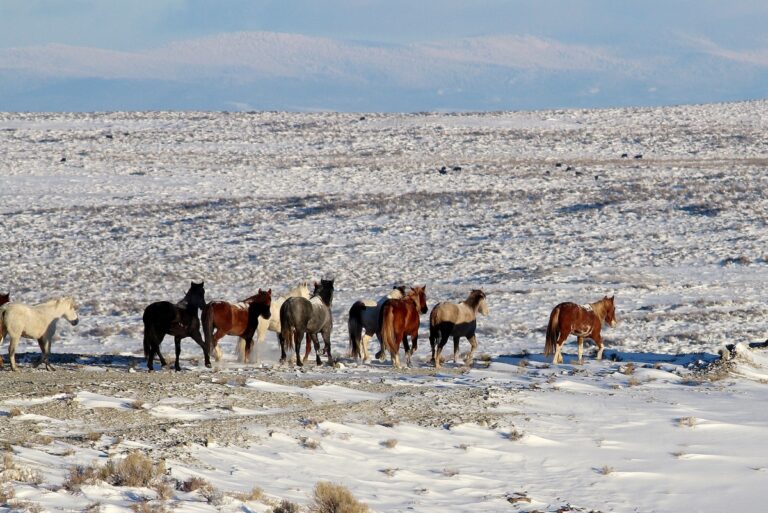
Twin Peaks lies northeast of Susanville, near the California–Nevada line. It covers a huge swath of high desert country where wide sagebrush basins are broken up by volcanic ridges and isolated peaks. Elevations are generally high enough that you get big skies, long views, and real weather—snow, wind, summer heat, and everything in between.
Landscape & Access
- Terrain: broad sage and bitterbrush valleys cut by rocky ridges and rimrock
- Roads: a mix of paved access roads, improved gravel, and rougher two-tracks where high clearance is a good idea
- Best season: generally late spring through fall, watching for snow, storms, and fire conditions
- Camping: mostly primitive and dispersed sites on public land—always check current rules and fire restrictions
What It Is Like to Visit
Expect long stretches of quiet road, big changes in temperature between sun and shade, and a real sense of distance from town. You may see mule deer, pronghorn, raptors, and sagebrush songbirds as you drive or hike. Even a few carefully chosen roadside stops can feel like time in true “big country.”
Horses and Burros from Twin Peaks
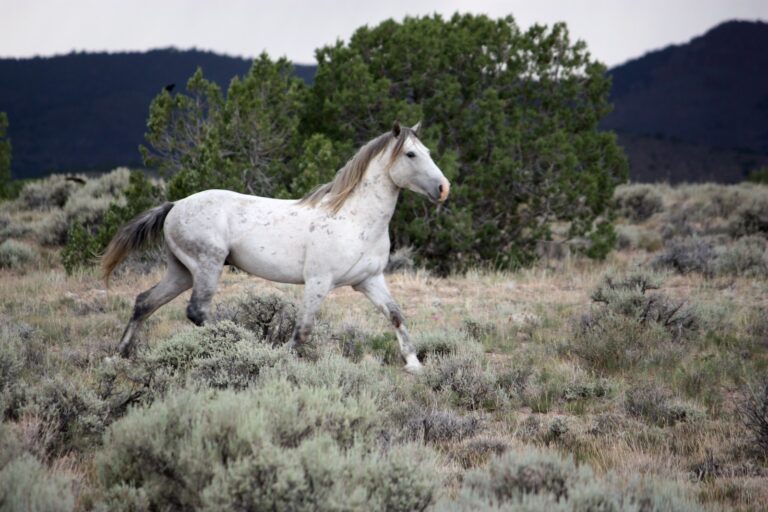
Horses and burros here come from a mix of Spanish-type foundation stock, ranch horses, and old working animals. On the ground, that means you’ll see everything from solid bays, browns, and blacks to the occasional pinto or roan horse, along with sturdy, big-eared burros that trace back to pack animals used by sheepherders and miners.
Adoption Notes
When horses or burros are removed from Twin Peaks in gathers, they usually travel to BLM off-range corrals and the Online Corral. Sometimes they are listed specifically as Twin Peaks animals; other times they are grouped with horses from nearby areas. If HMA origin matters to you, you can always ask staff what they know about a particular horse or burro’s background.
Why Consider a Twin Peaks Horse or Burro?
- Horses and burros from this country grow up in big, open terrain with real weather and varied footing.
- The mixed background often produces solid, practical “using type” horses rather than polished show types.
- You may find both more compact, handy animals and taller, rangier ones represented in a single gather.
- Every horse and burro is an individual, so think of these as gentle patterns in the herd, not promises about any one animal.
Coppersmith HMA – Sagebrush Foothills Above Surprise Valley
The Coppersmith Herd Management Area sits in far northeastern California, in the foothills above Surprise Valley and not far from the Nevada line. It is smaller and a little more tucked away than Twin Peaks, but it still offers big views, open sagebrush slopes, and timbered ridges. From many spots you can look down over hay fields, alkaline lakes, and the wider valley floor, with the sky doing most of the talking.
Landscape & Access
- Terrain: rolling sagebrush hills, rocky drainages, and scattered forested patches on the higher ground.
- Roads: mostly gravel and dirt, with some rougher two-tracks where high clearance and dry weather are a good idea.
- Best season: generally late spring through early fall, watching for snow, mud, and fire conditions in the shoulder seasons.
- Views: on a clear day you can see Surprise Valley and surrounding ranges laid out below you like a map
What It Is Like to Visit
Coppersmith feels quieter and more intimate than some of the larger HMAs. Traffic is light, and it is common to share the country with deer, antelope, and a variety of raptors and songbirds. The combination of open slopes and tree patches makes it rewarding to glass for horses from a distance, especially in the cooler light of morning and evening.
Horses from Coppersmith
Horses in the Coppersmith area are often described as having a mix of Spanish-type, ranch, and old remount influence. On the ground, that can show up as medium to larger-framed horses with a lot of “using horse” look—solid bays, blacks, chestnuts, and the occasional other color. Heights and builds vary, but many visitors see horses that look like they could step into real-world work with the right training.
Adoption Notes
When horses are removed from the Coppersmith herd during gathers, they typically move through BLM’s off-range corrals and may be listed on the Online Corral. Sometimes they are identified by HMA, and sometimes they are grouped with horses from nearby areas. If you are specifically hoping for a Coppersmith horse, ask staff what they know about the animals in front of you, but be prepared for some uncertainty in the paper trail.
Why Consider a Coppersmith Horse?
- Many horses here carry a blend of influences that can make them well-suited to slower-paced, practical work.
- Solid coloring and moderate to larger frames may appeal to people who like a traditional “ranch or using horse” look.
- Like any mustang, the raw ingredients are only part of the story—patient, consistent handling matters more than the zip code they came from.
Forest Service Wild Horse Territories in Northern California
Not all of California’s wild horses live on BLM Herd Management Areas. The U.S. Forest Service also manages a handful of Wild Horse Territories, including Devil’s Garden Plateau on the Modoc National Forest and McGavin Peak on the Klamath National Forest. These territories are managed under the same federal wild horse and burro law, but they follow Forest Service planning processes and have their own adoption pathways and local stories.
Devil’s Garden Plateau
The Devil’s Garden Plateau stretches across high country on the Modoc National Forest. It is a patchwork of timber, open flats, rocky ground, and old ranching country. Horses here come in a wide range of colors and types, from solid bays and blacks to roans, grays, and buckskins. When gathers happen, many of these horses move through the Double Devil corrals and partner programs before finding new homes. This is one of the most sought-after herds because of the laid-back nature of many of the horses.
Devil’s Garden in my own life
Two of my mustangs came from this landscape: Devil’s Garden Lagertha and McGavin Peak Floki. I originally thought Lagertha would be my heart horse and Floki would be my husband’s steady trail partner. It didn’t quite work out that way.
If you’d like to see how a single Devil’s Garden adoption turned into the Fading Hoofbeats project, you can read:
The Road to Devil’s Garden.
McGavin Peak
McGavin Peak is a smaller, more scattered Forest Service territory near the California–Oregon border. The land is a mix of Forest Service, BLM, and private holdings, with a herd history shaped by ranch horses, miners, soldiers, and other local influences. It is one of those tucked-away places where wild horses and people have shared the same country for a long time, even when they were not always pulling in the same direction.
Planning Your Trip to California’s HMAs
Wild horse and burro country can be beautiful and unforgiving in the same afternoon. Before you go looking for horses, it helps to think like a trip planner instead of a sightseer.
A few things to keep in mind:
- Weather, fire conditions, and road status can change quickly, especially in high desert and mountain country.
- Some access roads are high-clearance only, or become impassable when wet.
- Water sources for both people and stock may be seasonal or fenced off—never count on a creek or pond just because it’s on an old map.
- Cell coverage often drops out as soon as you leave main highways and towns.
- Enjoy the horses and burros from a distance. Approaching bands closely on foot or horseback can be dangerous, especially around stallions or if your saddle horse is a mare who may be in season.
When in doubt, call the local BLM field office or Forest Service ranger district before you head out. A five-minute conversation can save you hours of trouble later.
Adopting Mustangs and Burros from California
Horses and burros gathered from California’s HMAs and Forest Service territories can move through a few different routes on their way to new homes. Some go to BLM’s off-range corrals and are offered at in-person events or on the Online Corral. Devil’s Garden and a few other Forest Service territories have their own adoption programs and partner organizations.
If you are interested in adopting, good starting points include:
- The BLM Wild Horse and Burro adoption events schedule and the Online Corral.
- The Modoc National Forest and Double Devil corrals for Devil’s Garden horses.
- Local partner groups who may have gentled horses from California herds available.
When you are looking at photos or walking through a corral, it is easy to get hung up on color or on one specific HMA name. Those things matter to people, and that’s okay. Just remember that the real magic is in the individual horse or burro: their mind, their movement, and how they respond to you. Good partners come from a lot of different zip codes.
If you’re anything like me, the horse standing in your pasture right now may not be the one you first had your heart set on. Maybe the one you circled in the catalog went to someone else, or the horse that caught your eye online turned out not to be the right fit in person. And then there was this other one – the plain one, or the “too small” one, or the one in the back who looked a little too wild – who somehow ended up on your paperwork instead.
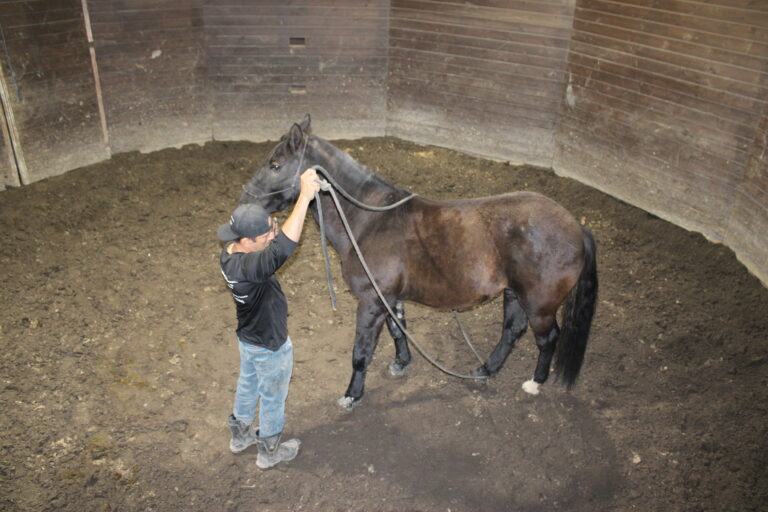
Don’t count those horses out. Some of the ones that look the most “crazy wild” on gather day are simply scared and trying to stay alive. Given time, patience, and steady kindness, they can turn into the kind of partner you didn’t even know to dream about. That is what happened with Floki for me: the worried little black gelding who once wanted nothing to do with people is the horse who now walks up to ask what we’re doing next, and the one I trust to carry me into the long quiet miles.
This guide is meant to help you ask better questions and imagine what life with a mustang or burro might look like. It cannot predict how any particular animal will turn out—your handling, time, and home life play a huge role in that story.
A Few California Mustangs You Might Have Heard About
Zephyr – Twin Peaks makeover winner
Zephyr is a mustang from the Twin Peaks HMA who has become a bit of an ambassador for his herd in the English world. In 2024, he and his rider won the Mustang Champions Classic English Makeover at the Kentucky Horse Park, performing a Willy Wonka–themed freestyle in the Rolex Arena.
Zephyr’s story is straightforward and pretty safe ground: a bay gelding from Twin Peaks, adopted, trained, and brought along until he could go into a major venue full of lights, banners, and crowds and still do his job. He’s a good example of what a wild-born California horse can grow into with time, consistency, and a rider who believes in him.
Pelos – Devil’s Garden mustang turned eventer
Pelos is a bay gelding from the Devil’s Garden herd who first caught attention at the 2021 Kentucky Extreme Mustang Makeover, where he sold for over $22,000 in the post-show auction.
Instead of disappearing into one quiet home, he kept going. Pelos moved into the California eventing world with rider Antoine Aubriot, and the pair have since finished in the top 10 of the Beginner Novice Rider division at the American Eventing Championships and continue to compete at shows in the region.
He is a clean, simple example of what a Devil’s Garden mustang can grow into: a small bay horse from lava rock and juniper country, now cantering around dressage arenas and cross-country courses alongside warmbloods and Thoroughbreds.
Some California mustangs become competition horses or clinic ambassadors, and some stay wild but are quietly recognized by the people who watch over their ranges.
Don’t think that these two examples mean that all California mustangs are eventers or work best in English-based disciplines. Remington from Twin Peaks (not to be confused with Remington from Salt Wells Creek in Wyoming), and Floki and Lagertha, my own two California mustangs all excel in Western disciplines.
How California Fits into Fading Hoofbeats
California is more than a dot on the route map for us. Lagertha, our Devil’s Garden mare, and Floki, from McGavin Peak, both started their lives in this country before stepping into ours. As the Fading Hoofbeats long ride loops north and west, we will pass through some of the same ranges, small towns, and backroads that shaped their herds.
When that time comes, the Trail Journals will carry quiet stories from this state—field notes from dusty roadsides, glimpses of bands on far hillsides, and the small, practical details of traveling through the places where wild horses still live on open ground.
Walk the California Miles with Us
As these state guides grow and the long ride gets closer, we’ll keep adding small, practical updates for visitors who care about seeing wild horses and burros kindly. If California’s herds tug at your heart, we’d be honored to have you along for the quiet miles ahead.
Read the State Guides
These guides are coming online one by one. If a title doesn’t have a link yet, it just means I’m still writing it—check back soon.
- Start here: Wild Horse HMA Guides (how to use these):
- Oregon’s Wild Horses: Where to See Them and How to Watch Respectfully
- California — Devil’s Garden, McGavin Peak & places you can actually ride
- Wyoming — Red Desert, Adobe Town & Great Divide
- Colorado — Sand Wash Basin & Piceance Basin
- Utah — Wild Horse & Burro Guide
- Montana — Pryor Mountain Wild Horse Range & More
- Idaho — Challis & More
- Nevada — Pine Nut & more
- Arizona & New Mexico — Heber, Salt River & borderlands
- Special: Theodore Roosevelt National Park (North Dakota)
- Special: Assateague Island (Maryland/Virginia)
Read the State Guides
These guides are coming online one by one. If a title doesn’t have a link yet, it just means I’m still writing it—check back soon.
Last checked: November 27, 2025.
One Comment